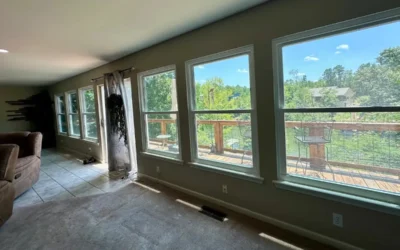



If you have ever noticed water droplets on the inside of your windows, you are not alone. Many homeowners ask the same question: why do windows sweat inside the house?
In Southern homes, window condensation is extremely common. High humidity, temperature changes, and everyday activities inside your home can all cause moisture to form on the glass. The good news is that sweating windows usually do not mean your windows are broken.
Understanding why windows sweat and how to manage humidity can help you prevent moisture problems, improve comfort, and protect your home long term.
Key Takeaways
- Window sweating is usually caused by indoor humidity, not window failure.
- Cooking, showers, and laundry increase moisture inside your home.
- Energy-efficient windows help reduce condensation.
- Argon gas and warm-edge spacers keep glass warmer and drier.
- Ventilation and humidity control are the best long-term solutions.
Why Do Windows Sweat Inside the House?
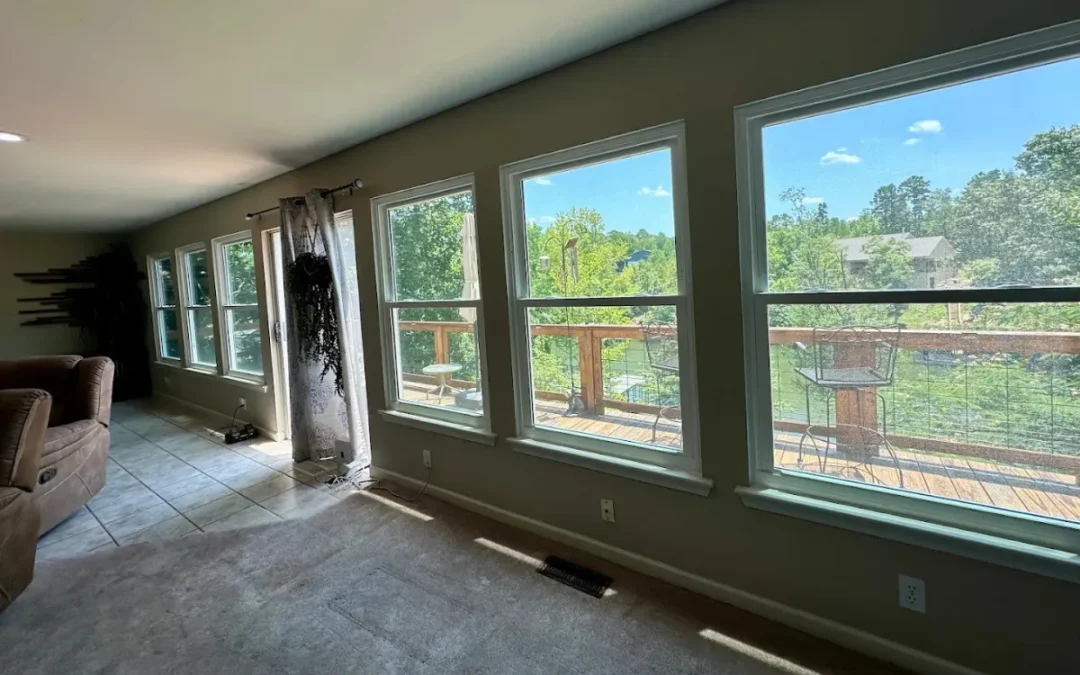
Windows sweat when warm, humid air touches a cooler glass surface. When the air cools, it releases moisture in the form of water droplets. This is called condensation.
Homes across the Southern United States deal with high humidity for much of the year. When that moisture builds up indoors, it naturally collects on cooler surfaces like windows and mirrors.
We see this all the time in Southern homes, especially during seasonal weather changes or after cooking, showers, or running laundry.
According to the U.S. Department of Energy, controlling indoor humidity is one of the most important steps in preventing condensation and maintaining comfort inside your home.
Is It Condensation or a Broken Window Seal?
This is one of the most common homeowner concerns. Many people worry their windows are failing when they see moisture on the glass.
Signs It Is Normal Condensation
- Moisture appears on the inside surface of the glass
- Condensation comes and goes during the day
- It happens more during cooking or hot showers
- Windows clear up when humidity drops
Signs of a Seal Failure
- Fog or moisture trapped between glass panes
- Cloudy glass that never clears
- Visible streaks inside the window
If condensation is between the panes, that can mean the seal has failed. If it is on the interior surface, humidity is almost always the cause.
How Modern Windows Reduce Condensation
Today’s windows are built to handle Southern humidity better than older models. New technology helps keep glass warmer and reduces moisture buildup.
Argon Gas Insulated Glass
Many modern windows include argon gas between the panes. Argon slows heat transfer and helps maintain a consistent glass temperature. When the interior glass stays warmer, condensation is less likely to form.
Upgrading to modern replacement windows can make a noticeable difference in comfort and moisture control.
Warm-Edge Spacer Systems
Warm-edge spacers sit between the panes of glass and help reduce cold spots around the edges. Traditional metal spacers can get very cold, which increases condensation. WinChoice’s warm-edge technology keeps temperatures more balanced across the entire window.
This helps raise the interior glass temperature and reduces the chance of reaching the dew point where condensation forms.
How to Reduce Humidity Inside Your Home
Even the best windows cannot completely stop condensation if indoor humidity stays too high. Managing moisture inside the home is the key.
Simple Ways to Prevent Window Sweating
- Use bathroom and kitchen exhaust fans regularly
- Run a dehumidifier during humid months
- Keep air circulating throughout the home
- Open blinds and curtains to allow airflow
- Maintain proper attic and roof ventilation
Ventilation plays a major role in moisture control. Learn how proper roofing and attic ventilation can help protect your home from excess humidity.
The Environmental Protection Agency also recommends controlling indoor moisture to prevent mold growth and improve air quality.
When New Windows May Be the Best Solution
If your windows are older or poorly insulated, condensation may happen more often. Newer energy-efficient windows are designed to reduce moisture buildup and improve overall comfort.
Flexible payment options can help make upgrades easier. Explore home improvement financing options to find a solution that fits your budget.
For long-term peace of mind, review coverage details on the window warranty page.
Frequently Asked Questions
Why do my windows sweat every morning?
Morning condensation usually happens when indoor humidity is high and overnight temperatures cool the glass surface. The moisture in the air collects on the window.
Does window sweating mean my windows are bad?
No. Most of the time, window sweating is caused by indoor humidity levels and not by a defective window.
How can I stop condensation on my windows?
Reducing indoor humidity, improving ventilation, and upgrading to energy-efficient windows can significantly reduce condensation.
What causes condensation between window panes?
Moisture between panes usually means the seal inside the window has failed and may require repair or replacement.
Do new windows help with condensation?
Yes. Modern windows with insulated glass, argon gas, and warm-edge spacers help keep glass warmer and reduce moisture buildup.