


Most homeowners follow a simple rule: If it isn’t broken, don’t fix it. When it comes to your roof, however, waiting for a visible drip in the living room is a dangerous and expensive gamble. By the time water makes it through your ceiling, the actual “leak” has likely been living in your attic for months, causing quiet damage to your insulation, electrical wiring, and wooden rafters.
In the South, our roofs face unique stressors. Between the blistering summer heat and the sudden intensity of spring storms, materials can fail long before they physically let water into your home. At WinChoice, we want to help you identify the “silent” warning signs so you can protect your investment before a minor issue becomes a major catastrophe.
The “Age Out” Factor
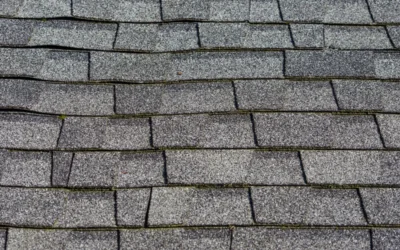
Roofing materials have a finite lifespan. Even if your shingle roofing looks decent from the ground, the chemical compounds that make asphalt flexible eventually dry out. Once shingles become brittle, they lose their ability to expand and contract with the temperature. In our climate, a 20-year-old roof is often “dead” even if it is currently watertight. Replacing it before the next big storm ensures that you aren’t dealing with an emergency replacement during peak season when contractors are backlogged.
Granule Loss and UV Damage
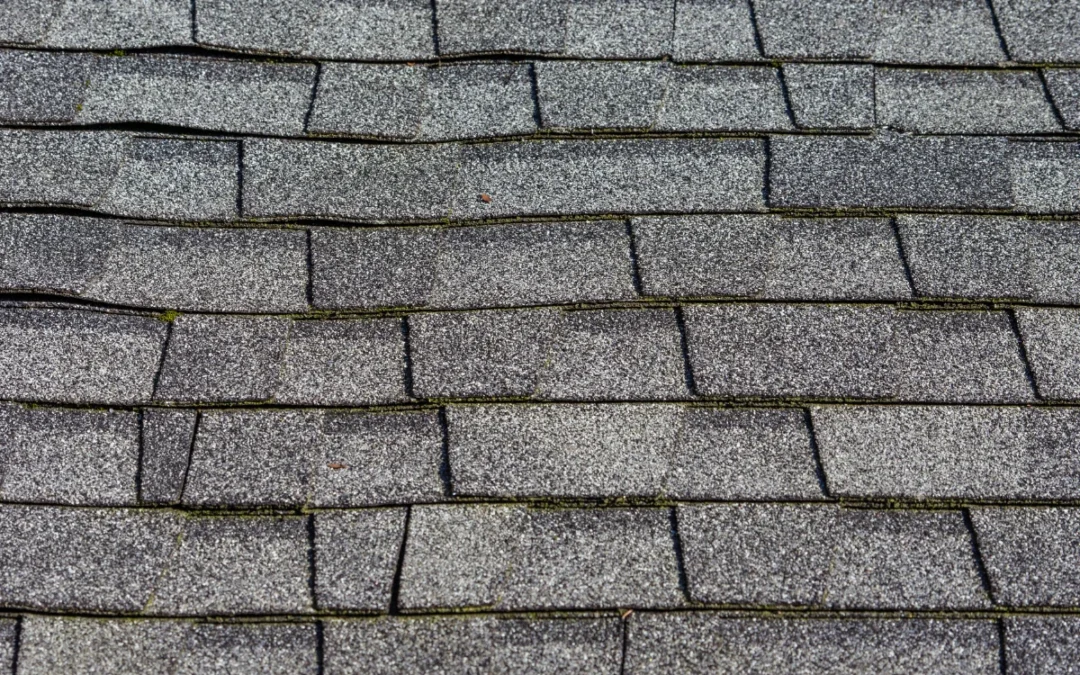
Think of the granules on your shingles as sunscreen for your house. Their primary job is to reflect UV rays and protect the underlying asphalt from the sun. If you notice a “sand-like” substance in your gutters or bald spots on your shingles, your roof has lost its primary defense. Without those granules, the sun will bake the shingles until they crack and curl. This is a clear signal that a replacement is necessary to maintain your home’s energy efficiency and structural integrity.
Hidden Mold and Structural Rot
Water is patient. It can seep through tiny cracks in flashing or around vents and sit on your roof decking without ever dripping onto your floor. Over time, this trapped moisture creates the perfect environment for mold and wood rot. If your roofline looks “wavy” or you notice a musty smell in your attic, the damage is already happening. Upgrading to a modern metal roofing system or high-quality architectural shingles can prevent these moisture traps entirely.
Insurance and Peace of Mind
Insurance companies are becoming increasingly strict about the age of a roof. Many providers will reduce coverage or even cancel a policy if a roof passes a certain age threshold. Replacing your roof proactively not only keeps your home insurable but also increases your property value. If you are concerned about the cost, WinChoice has partnered with multiple reputable lenders to provide flexible financing, allowing you to secure your home today rather than waiting for a disaster to force your hand.
Don’t wait for the drip. A proactive inspection can save you thousands in interior repairs and structural work. Our team at WinChoice is ready to provide a thorough evaluation of your roof’s current health and help you decide if it is time for an upgrade.
Contact WinChoice today for a free, no-pressure roof inspection. Let us help you stay ahead of the weather and keep your home safe for years to come.
Roofing Health FAQs
How can I tell if my roof is old if I don’t see leaks?
Look for physical cues from the ground or a ladder. Curled shingle edges, bald spots where granules are missing, and dark “streaks” (which are often algae) are all signs of aging. You should also check your gutters for excessive shingle grit after a heavy rain.
Will a new roof lower my energy bills?
Yes. Old roofs often have compromised ventilation and degraded materials that trap heat. Modern roofing systems are designed to reflect more solar energy and breathe better, which reduces the strain on your air conditioner during hot Southern summers.
Should I repair or replace my roof?
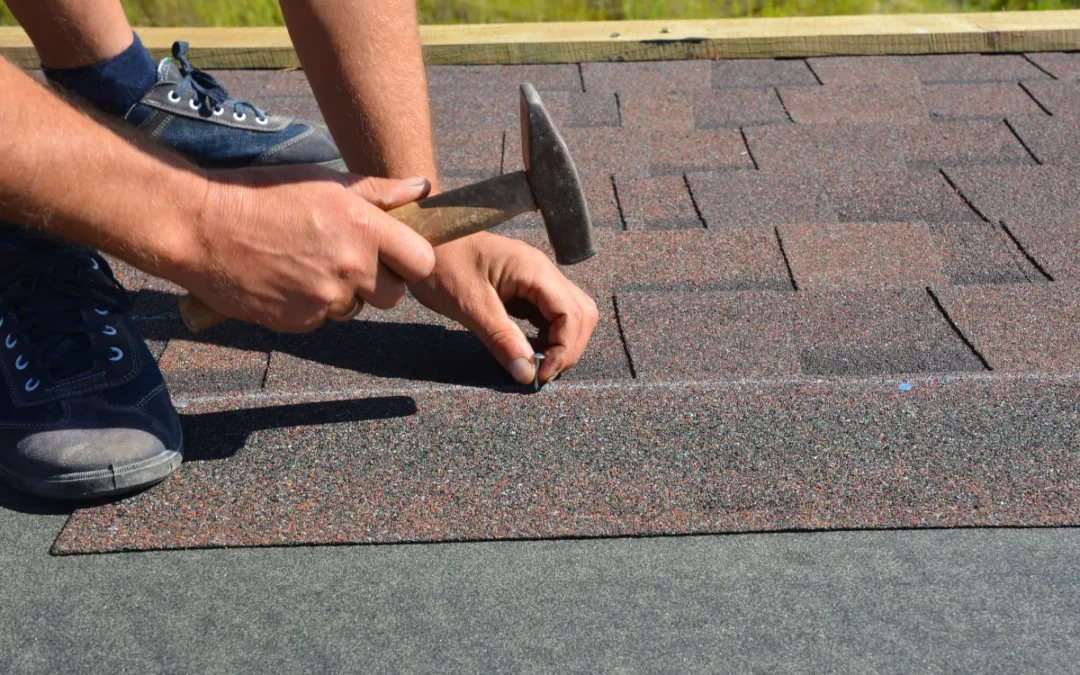
If the damage is localized to a small area and the rest of the roof is young, a repair might work. However, if the shingles are brittle or the roof is nearing the end of its expected lifespan, a full replacement is almost always the more cost-effective long-term solution.