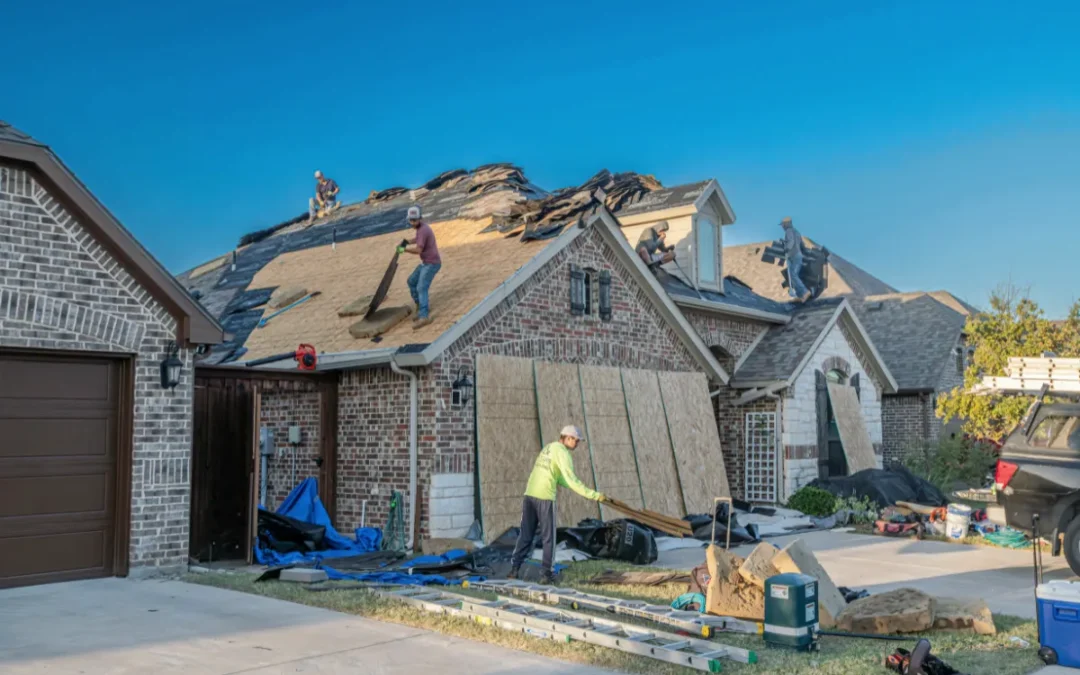

If you live in the South, you know that spring and summer aren’t just about sunshine and sweet tea. They also bring heavy thunderstorms, high winds, and the occasional tornado. When the sky turns grey, your roof is the only thing standing between your family and the elements.
Choosing storm-resistant roofing isn’t just about making your house look good. It is about “armoring” your home so you don’t have to worry every time the wind picks up. Here is a look at the best materials to keep your home safe during the next big Southern storm.
1. Architectural Asphalt Shingles
Most homes in our area use asphalt shingles, but not all shingles are created equal. For high-wind areas, you want “architectural” or “laminated” shingles. These are thicker and heavier than the old-fashioned flat shingles you might see on older houses.
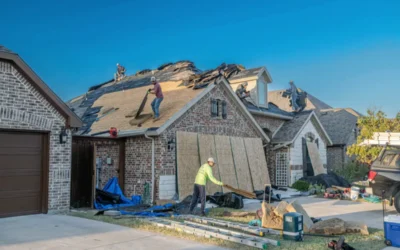
Because they are heavier, they are much harder for the wind to lift up. Many of these shingles are tested to stay in place even in winds up to 130 mph. This is why we focus on high-quality roof replacement for Southern homeowners who need materials that can handle the heat and the wind at the same time.
2. Metal Roofing: The Ultimate Storm Shield
If you want the best protection possible, metal roofing is hard to beat. Unlike shingles, which are installed one by one, metal roofing usually comes in large panels that are screwed directly into the frame of your house. This makes it incredibly difficult for a storm to peel them off.
Metal is also great because it doesn’t soak up water or grow mold after a week of rain. While the initial cost is higher, our flexible roofing financing options make it easy to invest in a roof that can last 50 years or more.
| Roofing Material | Wind Resistance | Impact (Hail) Rating | Southern Life Expectancy |
|---|---|---|---|
| Standard Shingles | 60 – 80 MPH | Basic Grade | 15 – 20 Years |
| Architectural Shingles | 110 – 130 MPH | Class 3 or 4 | 25 – 30 Years |
| Metal Roofing | 140+ MPH | Class 4 (Highest) | 50+ Years |
3. Look for the “Class 4” Impact Rating
When shopping for storm-resistant roofing, always check the impact rating. The “Class 4” rating is the highest grade a roof can get. It means the material was tested by dropping heavy steel balls onto it to simulate large hail.
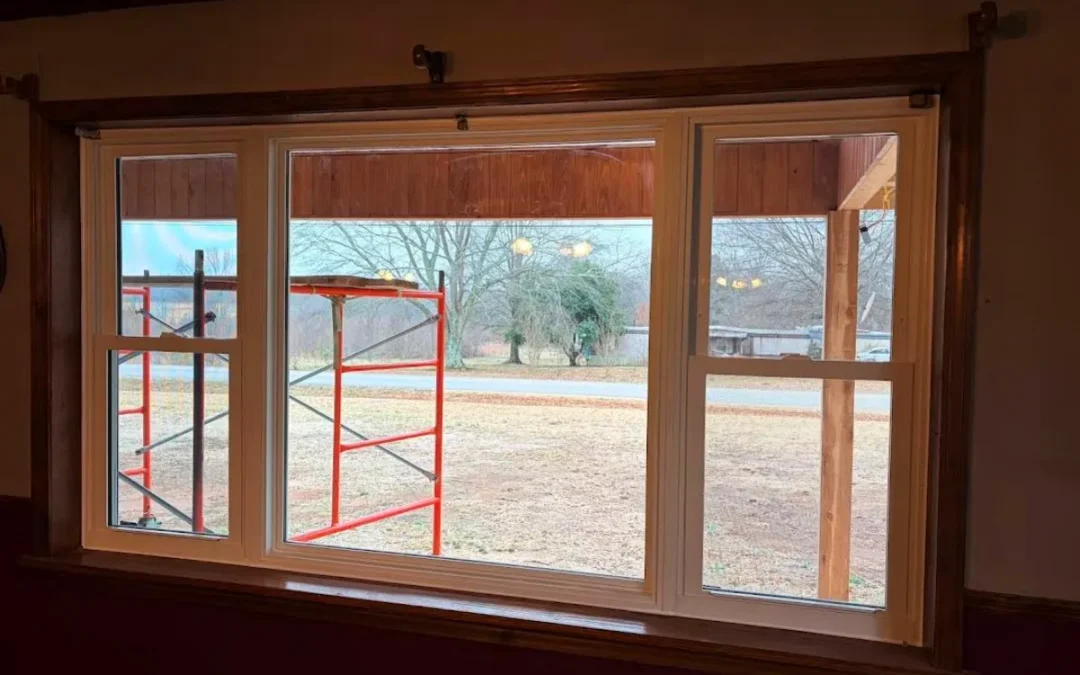
According to State Farm’s guide on impact-resistant roofing, having a reinforced roof can even lower your insurance premiums in many states. For total peace of mind, many homeowners pair a new roof with high-quality window replacement to ensure the entire exterior of the home is protected from storm winds and debris.
4. Proper Nailing and Underlayment
The best shingles in the world won’t help if they aren’t put on correctly. In high-wind zones, “six-nailing” is a must. This means the installers use six nails per shingle instead of the usual four. It creates a much stronger bond that resists “uplift” during a tornado, hurricane or severe thunderstorm.
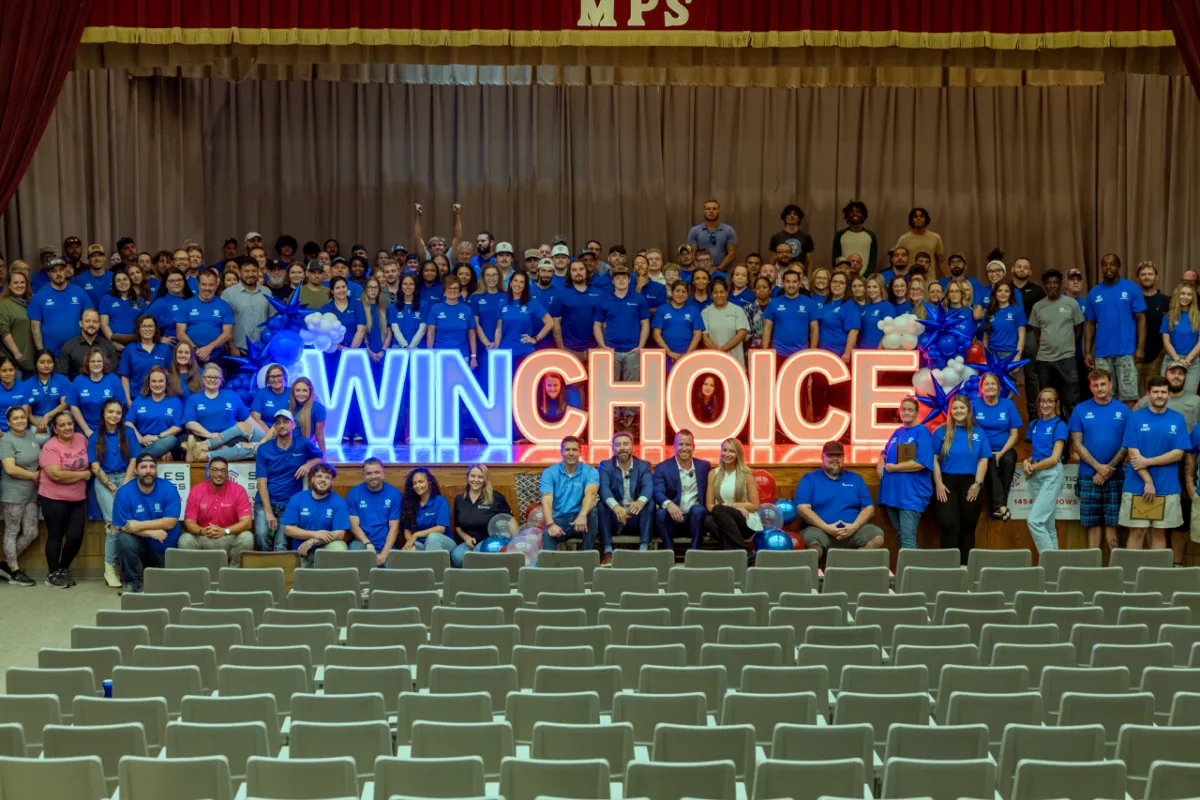
At WinChoice, we pride ourselves on being a local Southern roofing company you can trust. We don’t just swap out shingles; we check the wood underneath and use high-quality waterproof barriers to make sure no rain gets inside, even if a shingle does blow off.
Frequently Asked Questions
What is the best roof for high winds?
Metal roofing and heavy-duty architectural shingles are the best choices. Look for materials specifically rated for high-wind zones (110–130 mph) to ensure they stay attached during a storm.
Does insurance cover storm-resistant roofing?
Most insurance companies cover roof replacement if it was damaged by a storm. Some even offer discounts on your monthly bill if you upgrade to impact-resistant (Class 4) materials.
How do I know if my roof has storm damage?
Look for missing shingles, “bruises” or dents on the roof surface, or granules filling up your gutters. If you see these signs after a storm, you should have a professional inspection immediately.
Is your home ready for storm season? Contact WinChoice today for a free roofing inspection and see how we can help you stay safe this spring.