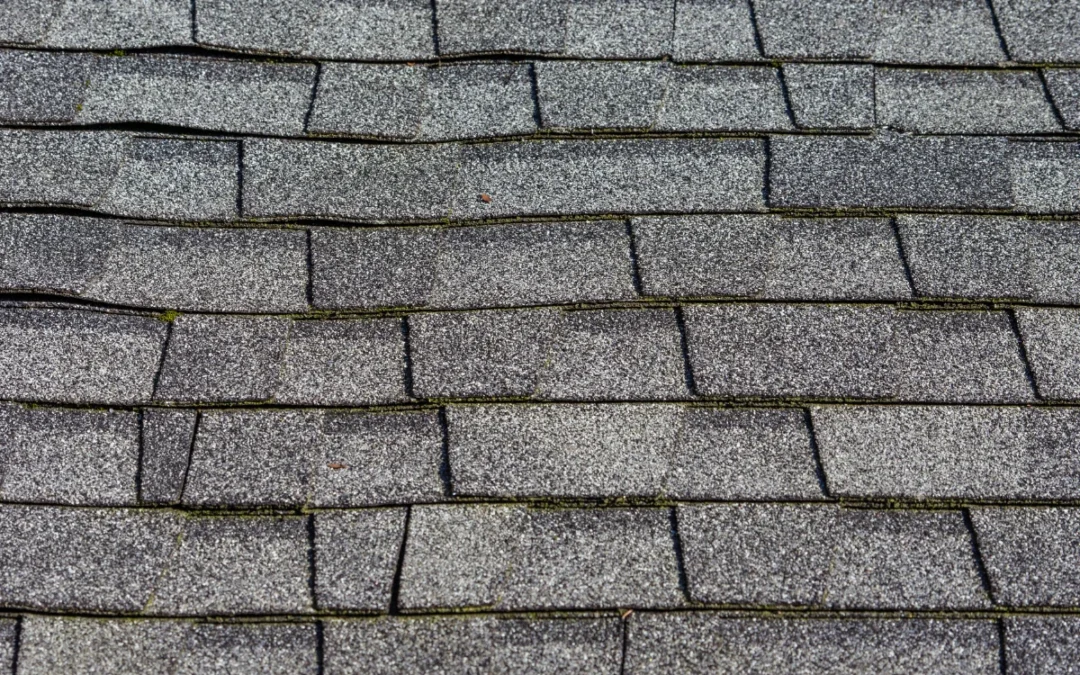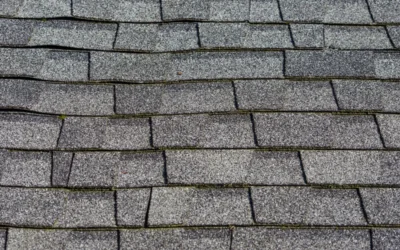



When the Southern summer hits its peak, ambient air temperatures routinely climb into the high nineties. But on top of your house, the story is much more extreme. Direct, uninterrupted sunlight can heat a residential roof surface to a blistering 150°F or higher. Under this relentless thermal strain, standard asphalt shingles undergo a rapid, microscopic breakdown. Homeowners often notice the outward symptoms—curling edges, bald spots where protective granules have washed away, or hairline cracks running across the surface—without ever realizing the complex chemical degradation occurring within the material itself.
At WinChoice, we believe that choosing the right protection for your home begins with real product education. While our custom windows are manufactured factory-direct, our roofing division leverages advanced material engineering to provide superior exterior defense against severe weather. By examining the molecular physics of traditional roofing materials versus modern polymer-modified technology, homeowners searching for the best roofing material near me can understand why traditional shingles fail prematurely and how rubberized flexibility provides a true lifetime solution.
The Molecular Breakdown of Standard Asphalt
To understand why traditional shingles dry out and fracture, you have to look at how standard asphalt is manufactured. Traditional roofing shingles are made using a petroleum byproduct known as “blown” or oxidized asphalt. During manufacturing, hot oxygen is forced through raw asphalt to harden it so it can be applied to a fiberglass mat. While this process makes the asphalt rigid enough to handle during setup, it also strips away essential volatile oils called maltenes.
Maltenes are the natural oily compounds that give raw asphalt its flexibility and waterproofing capacity. When traditional asphalt shingles are exposed to intense Southern UV radiation and extreme heat day after day, the remaining oils evaporate through a process called volatilization. As these essential oils disappear, the shingle loses its ability to flex. The material becomes hard, brittle, and glass-like, leaving it completely vulnerable to structural cracking under minimal physical stress.
Asphalt shingles don’t fail simply because they get old; they fail because the Southern heat evaporates the natural oils that keep them flexible. Once a shingle loses its elasticity, every temperature shift creates microscopic fractures.
Thermal Shock and Expansion Stress
In addition to UV degradation, Southern roofs experience a physical phenomenon known as thermal shock. During a typical summer day, your roof expands significantly as it bakes under the midday sun. Late in the afternoon, a sudden summer rainstorm can drop the surface temperature of the roof by 30 or 40 degrees in a matter of minutes. This rapid cooling forces the roofing materials to contract violently.
When asphalt shingles are young and retain their natural oil content, they can expand and contract safely without structural damage. However, once volatilization has turned the asphalt brittle, the material can no longer handle this rapid movement. The physical tension forces the rigid asphalt to snap, creating surface cracks that allow water to seep straight down into your home’s underlying wood deck.
The Polymer Revolution: Rubberized Asphalt Flexibility
To solve the fundamental problem of thermal brittleness, modern material science introduced Polymer-Modified Asphalt (PMA). Instead of relying solely on oxidized petroleum, advanced shingle manufacturing blends raw asphalt with synthetic rubber polymers—specifically Styrene-Butadiene-Styrene (SBS).
Integrating synthetic rubber polymers changes the physical behavior of the shingle at a molecular level:
- Elastomeric Memory: Rubberized polymers create a flexible structural matrix throughout the asphalt. When the shingle expands under extreme heat or contracts during a sudden storm, the rubber polymers stretch and return to their original shape without cracking.
- Superior Granule Retention: Granules are the colored stone chips on top of a shingle that reflect UV rays. Flexible rubberized asphalt grips these stone granules much more tightly than hard, dried-out asphalt, preventing premature bald spots.
- Extreme Impact Resistance: Because rubberized shingles absorb and disperse kinetic energy, they offer exceptional resistance against windblown debris and hail impacts that would easily shatter traditional, brittle shingles.
Comparing Traditional vs. Polymer-Modified Shingles
This structural overview highlights the physical performance differences between standard blown asphalt products and advanced rubberized polymer shingle systems.
| Performance Attribute | Standard Blown Asphalt Shingles | Rubberized Polymer-Modified Shingles |
|---|---|---|
| Material Elasticity | Rigid and stiff; becomes brittle as oils evaporate. | High rubber-like flexibility; stretches without cracking. |
| UV Heat Resistance | Prone to rapid volatilization and surface drying. | Polymers stabilize volatile oils for long-term retention. |
| Granule Adhesion | Loosens quickly as the underlying asphalt hardens. | Flexible rubber matrix locks mineral granules in place. |
| Thermal Shock Response | High risk of cracking during sudden temperature drops. | Absorbs thermal expansion and contraction seamlessly. |
Selecting the Ideal Defense for Your Home
When searching for a qualified installer or evaluating the best roofing material near me, looking beyond the surface color is essential. According to technical guides published by the Asphalt Roofing Manufacturers Association (ARMA), selecting materials engineered specifically for high thermal stress environments is the single most effective way to prevent premature roof failure in Southern climates.
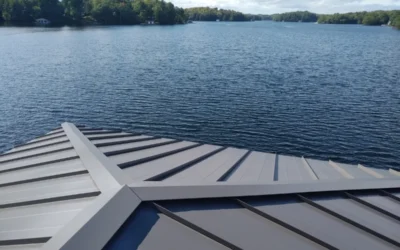
At WinChoice, we ensure every residential project is built using advanced, weather-tested materials. Whether you choose our high-performance architectural shingle roofing options or explore the lifetime protection of our heavy-duty metal roofing systems, our local teams execute every setup with absolute precision. We handle all municipal permits, material logistics, and magnetic site cleanups. To help make your roof upgrade affordable, we also provide flexible financing options that break your project down into comfortable, fixed monthly payments. If you are preparing for an upcoming project review, check out our guide on what to expect during a professional window company free estimate visit to ensure you receive transparent, honest service.
Protect Your Property with Advanced Chemistry Today
Do not let brittle, dried-out shingles compromise your home’s structural safety. Upgrading to rubberized, polymer-modified roofing technology means securing a flexible, durable defense shield that resists cracking, leaks, and storm damage for decades.
Contact WinChoice today to schedule your free, comprehensive roofing consultation. Let our local experts evaluate your roof’s current condition and help you choose a high-performance system built to withstand the Southern sun.
Asphalt Shingle Physics FAQs
Why do asphalt shingles lose their granules over time?
Asphalt shingles lose granules as intense heat and UV rays evaporate the natural oils that bind the mineral granules to the asphalt mat. As the asphalt hardens and dries out, rain and wind easily wash the loose stone granules away.
What is a polymer-modified asphalt shingle?
A polymer-modified asphalt shingle is made by infusing raw asphalt with synthetic rubber polymers (such as SBS). This creates a flexible, rubberized matrix that resists cracking, absorbs impacts, and retains its elasticity through extreme temperature changes.
Can brittle shingles be repaired without replacing the roof?
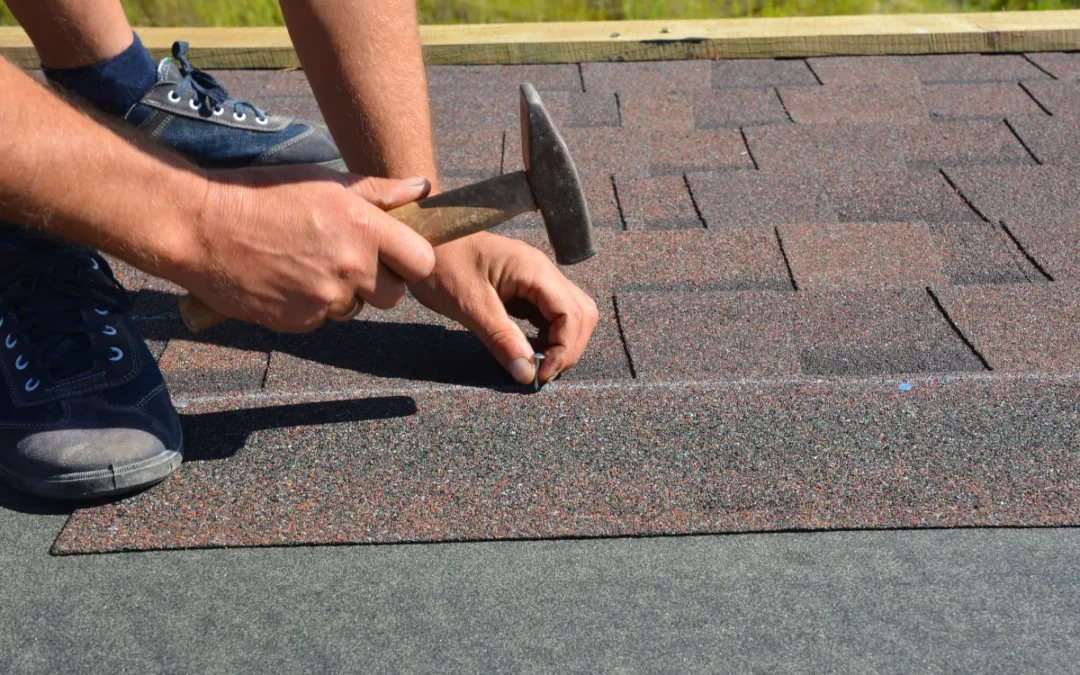
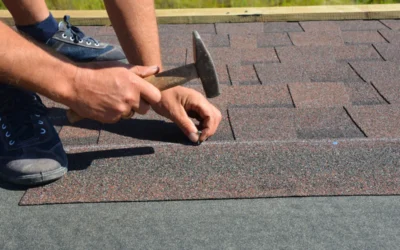
Individual cracked shingles can be replaced, but widespread brittleness indicates that the entire roof has reached the end of its chemical lifespan. Attempting to repair isolated spots on a dried-out roof often damages adjacent brittle shingles during the installation process.