


Cleaning out your gutters after a rainstorm often comes with a surprise. As you clear away wet leaves and debris, you might notice a heavy layer of coarse, dark sand piling up at the bottom of the downspout. Those tiny colored stone chips are the asphalt granules that shield your home’s roof from the sun. Seeing them wash away can be alarming. Homeowners immediately begin to worry about structural leaks, roof failure, and the average roof repair cost required to fix the problem before severe weather arrives.
At WinChoice, we believe in empowering homeowners with clear diagnostic tools and honest product education. While a small amount of granule shedding is completely normal during the first year of a new roof, excessive loss is a major red flag. Let us take a close look at how to perform a simple granule loss test, evaluate the structural causes behind shedding, explore how the average roof repair cost compares to a lasting replacement, and show you how advanced rubberized asphalt chemistry keeps granules locked in place for decades.
The Two-Minute Gutter Test: Normal Settling vs. Severe Loss
Before panicking about black spots on your roof, it is helpful to understand why granules exist in the first place. Granules are crushed mineral stones embedded into the top layer of asphalt shingles. Their primary job is to block destructive ultraviolet UV rays from reaching the underlying asphalt mat. Without granules, direct sunlight bakes the raw asphalt, causing it to dry out, crack, and fail rapidly.
To determine if your roof is shedding granules at a dangerous rate, you can perform a quick visual inspection:
- The Gutter Handful Check: Scoop up a handful of debris from your downspout splash block or gutter trough. If you see a few scattered grains mixed with dirt, your roof is likely experiencing normal environmental wear. However, if you pull out cupfuls of clean, loose granules after every storm, your shingles are losing their protective layer quickly.
- The Ground-Level Sight Test: Stand in your yard and scan your roofline with binoculars. Look for shiny or dark patches on your shingles. These bald spots occur when the mineral layer completely washes away, exposing the raw black asphalt or fiberglass mat below. If you can see bare fiberglass fibers gleaming in the sunlight, those shingles have reached the end of their functional lifespan.
A few loose grains in your gutter are normal, but consistent piles of sand after every thunderstorm mean your shingles are losing their armor. Once the underlying asphalt is exposed to direct sunlight, structural failure happens fast.
Understanding the Average Roof Repair Cost vs. Full Replacement
When homeowners discover localized bald spots or storm damage, their first question usually revolves around budgeting. Comparing the average roof repair cost to a full system replacement depends heavily on the overall age and chemical condition of your existing shingles.
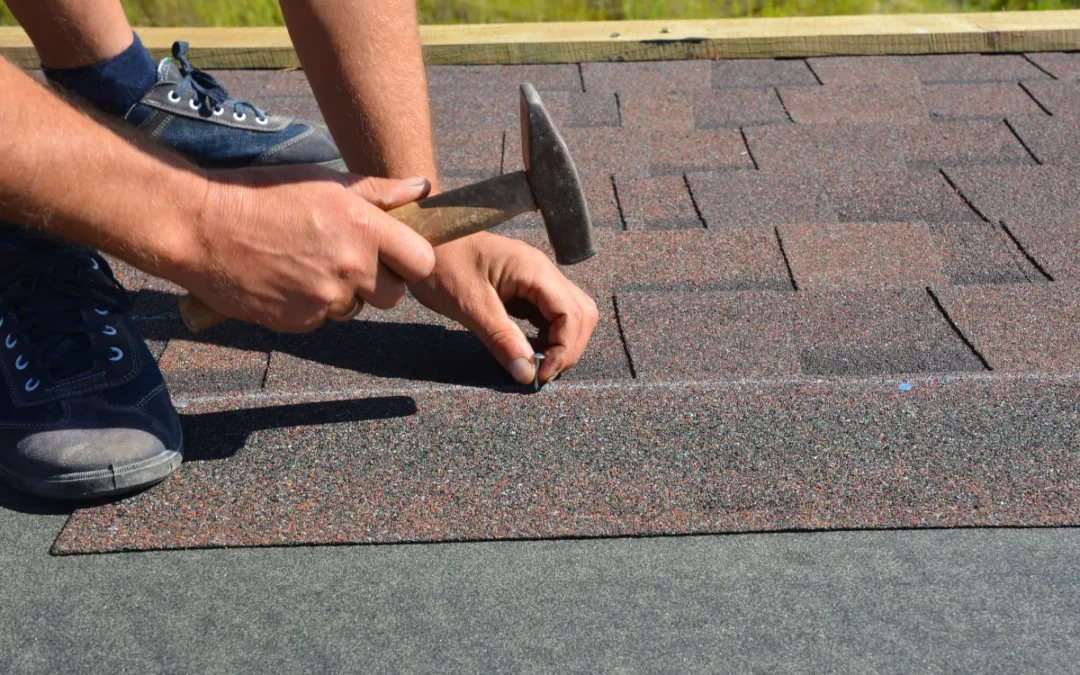
If your roof is relatively young and suffered granule loss on just a few shingles due to a fallen tree branch or minor hail hit, a localized patch is often practical. The average roof repair cost for replacing a small section of damaged shingles generally ranges between $300 and $1,500, depending on roof pitch, height, and labor accessibility. In these isolated cases, fixing the broken area quickly prevents water from seeping into your attic decking.
However, if your entire roof is over 15 years old and shedding granules uniformly across every slope, paying for isolated repairs is a costly mistake. Attempting to nail new shingles into an old, brittle roof deck often cracks the surrounding dried-out shingles during installation. When granule loss is widespread across the whole surface, investing in localized fixes only delays the inevitable, inflating your total long-term expenses well beyond the average roof repair cost.
Diagnosing Roof Condition: Repair vs. Replacement Indicators
This reference table breaks down common visual symptoms to help you determine whether your roof needs a simple patch or a modern upgrade.
| Observed Symptom | Root Cause | Recommended Action |
|---|---|---|
| Scattered granules in new gutters | Normal sloughing of excess factory manufacturing granules. | Monitor annually; no immediate repair needed. |
| Isolated bald spots on 1 or 2 shingles | Physical impact from hail, flying debris, or branches. | Minor patch. Keep your total average roof repair cost low. |
| Widespread dark patches across all slopes | UV volatilization; asphalt has dried out and lost adhesion. | Full replacement. Shingles can no longer protect against water. |
| Exposed silver fiberglass matting | Complete surface erosion; total loss of waterproofing. | Immediate full replacement required to prevent interior rot. |
The Polymer Advantage: Locking Granules in Place
Standard asphalt shingles fail prematurely in hot climates because traditional oxidized asphalt becomes stiff and brittle over time. As intense summer heat bakes the roof, the natural oils inside the shingle evaporate. As those oils disappear, the asphalt hardens and loses its grip on the mineral stone granules, allowing heavy rain and wind to wash them straight into your gutters.
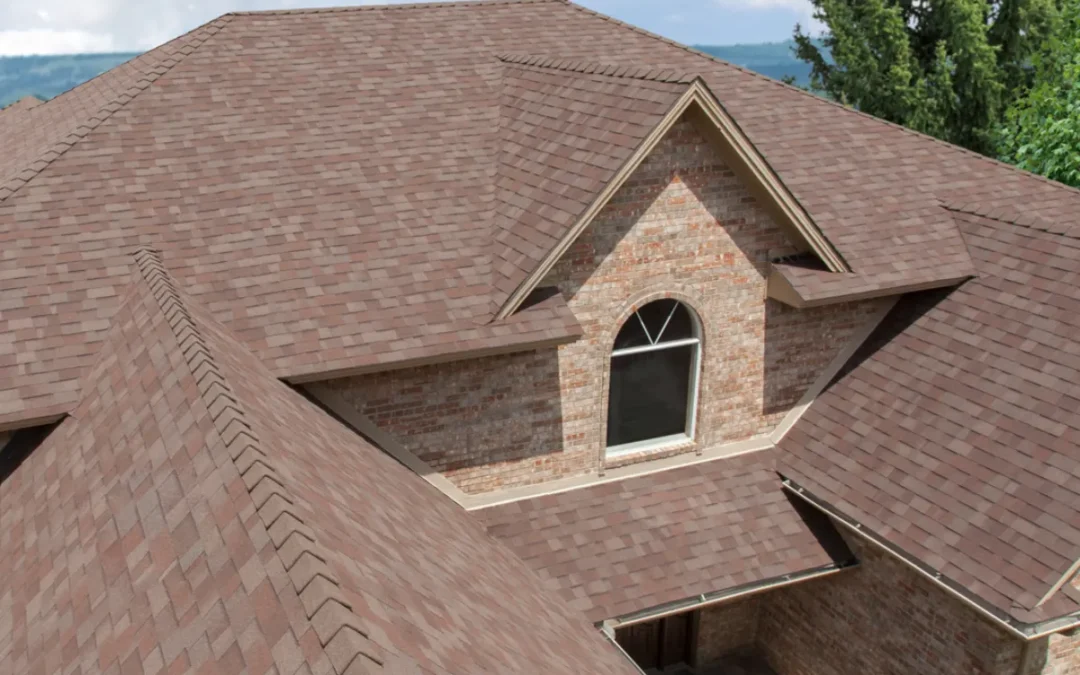
To eliminate premature granule loss, modern material engineering developed rubberized polymer-modified asphalt. Instead of using rigid, oxidized petroleum, advanced shingles blend raw asphalt with synthetic Styrene-Butadiene-Styrene SBS rubber polymers. This creates a flexible, elastomeric matrix throughout the entire shingle body.
Rubberized polymer technology delivers crucial performance advantages:
- Superior Granule Retention: The flexible rubber matrix acts like a deep cushion, gripping mineral granules tightly even through violent temperature swings and heavy hail impacts.
- Extreme Impact Defense: When hail hits a rigid asphalt shingle, the hard surface shatters and dislodges granules instantly. A rubberized shingle absorbs and disperses the kinetic energy, flexing under impact without losing its protective stone coating.
- Long-Term UV Protection: Rubberized polymers stabilize essential volatile oils, keeping the shingle supple and preventing surface cracking for decades.
Protect Your Home with Superior Material Chemistry
Evaluating your roof’s condition early helps you avoid unexpected water leaks and controls your overall home maintenance budget. Technical installation standards published by the Asphalt Roofing Manufacturers Association (ARMA) prove that choosing weather-engineered, polymer-modified asphalt systems is the most effective way to prevent premature granule loss and extend roof lifespan.
At WinChoice, we build every residential project with high-performance, weather-tested materials. Whether you choose our flexible architectural shingle roofing options or prefer the ultimate lifetime protection of heavy-duty metal roofing systems, our certified teams handle every setup with precision care. We manage municipal permits, material deliveries, and thorough magnetic site cleanups. To keep your project affordable, we also provide flexible financing options that break your total investment down into comfortable, fixed monthly payments. If you are preparing to review your options, check out our guide on what to expect during a professional window company free estimate visit to ensure you receive honest, transparent service.
Schedule Your Professional Roof Inspection Today
Do not wait for loose granules in your gutters to turn into active water leaks inside your living room ceiling. Upgrading to rubberized, impact-resistant shingles guarantees long-term weather defense, superior granule adhesion, and permanent peace of mind.
Contact WinChoice today to schedule your free, comprehensive roofing consultation. Let our local experts inspect your shingles and help you choose the best defense shield for your home.
Granule Loss & Roof Inspection FAQs
Is it normal for a brand new roof to shed granules in the gutters?
Yes. During the manufacturing and installation process, extra granules are pressed into the shingle surface to ensure complete coverage. The loose excess granules naturally wash off during the first few heavy rainstorms and are no cause for concern.
What is the average roof repair cost for fixing localized granule loss?
The average roof repair cost for fixing a small section of damaged or bald shingles typically ranges from $300 to $1,500. However, if granule loss is widespread across the entire roof, replacing isolated spots is not cost-effective and a full replacement is recommended.
Why do rubberized asphalt shingles hold granules better than standard shingles?
Rubberized asphalt shingles are infused with flexible SBS polymers that create a resilient, elastomeric bond. This flexible matrix grips the mineral stone granules tightly, allowing the shingle to absorb hail impacts and thermal expansion without shedding its protective coating.