
At WinChoice, we regularly inspect roofs that look fine from the outside but are deteriorating underneath due to trapped heat and moisture. Many homeowners are surprised to learn that poor attic ventilation can shorten roof lifespan, increase energy costs, and lead to premature roof replacement.
In this post, we’ll explain how attic ventilation affects roofing systems in Southern homes, what warning signs to watch for, and when it may be time to consider professional roof replacement.
Key Takeaways
- Poor attic ventilation traps heat and moisture that can damage roofing materials.
- Southern climates accelerate roof wear when airflow is restricted.
- Ventilation problems often cause hidden damage before leaks appear.
- Improving ventilation can support roof performance and energy efficiency.
- In some cases, roofing replacement is the safest long-term solution.
Why Attic Ventilation Matters for Roofing in Southern Homes
Attic ventilation helps regulate temperature and moisture levels inside your home’s roofing system. In Southern climates, where heat and humidity are constant challenges, proper airflow is especially important.
Without adequate ventilation, hot air becomes trapped in the attic. Over time, this heat transfers directly into roofing materials, accelerating wear and reducing their ability to protect your home.
According to the U.S. Department of Energy, poorly ventilated attics can reach extreme temperatures that significantly shorten the lifespan of roofing materials.
U.S. Department of Energy roofing guidance
Heat Buildup and Shingle Deterioration
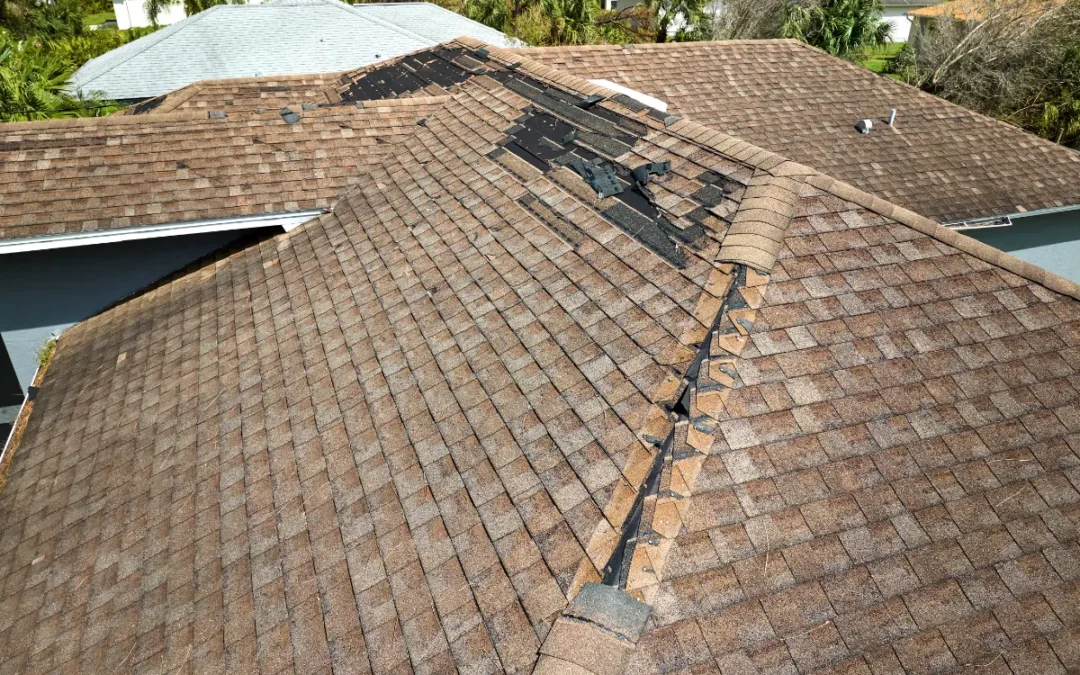
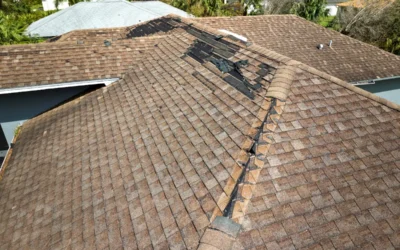
Excessive attic heat can cause shingles to dry out, curl, or lose protective granules. We often hear homeowners say their roof “failed early,” when in reality heat buildup quietly did the damage over time.
This is especially common in Southern homes with older ventilation designs or blocked intake vents.
Moisture, Humidity, and Structural Risk
Humidity creates another layer of concern. When warm, moist air becomes trapped in the attic, it can lead to:
- Wood rot in roof decking
- Mold growth
- Insulation damage
- Reduced structural integrity
These issues often remain hidden until major repairs are needed.
How Attic Ventilation Impacts Energy Efficiency
Attic ventilation doesn’t just affect your roof. It also plays a role in how hard your HVAC system has to work.
ENERGY STAR explains that proper attic ventilation helps reduce heat buildup, allowing insulation and cooling systems to perform more efficiently.
ENERGY STAR attic ventilation overview
Many homeowners tell us they notice:
Hot rooms upstairs
Uneven indoor temperatures
Rising energy bills during summer months
These symptoms often point to ventilation issues affecting the entire home.
Warning Signs of Poor Attic Ventilation
Ventilation problems don’t always announce themselves with obvious leaks. Common warning signs include:
- Shingles aging faster than expected
- Rusting nails or fasteners in the attic
- Musty odors in upper rooms
- Visible moisture on attic surfaces
- Consistent indoor temperature imbalance
Homeowners frequently tell us they assumed these were “normal for older homes,” when ventilation was the real issue.
When Roofing Replacement Becomes the Right Choice
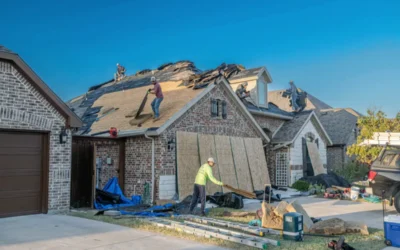
In some cases, improving attic ventilation alone may not be enough. If roofing materials have already been compromised by long-term heat and moisture exposure, replacement may be the safest option.
Roof replacement allows ventilation improvements to be paired with new materials designed to handle Southern conditions.
The Asphalt Roofing Manufacturers Association notes that proper ventilation is essential for long-term roof performance and manufacturer warranty eligibility.
Asphalt Roofing Manufacturers Association on ventilation
How WinChoice Approaches Roofing Replacement
At WinChoice, roofing replacement is never a one-size-fits-all solution. Our process includes evaluating attic airflow, roof condition, and regional climate factors before recommending next steps. Learn more about our Roofing Replacement Services
Homeowners often tell us they feel more confident knowing ventilation and roofing performance are addressed together rather than treated as separate issues.
Frequently Asked Questions
Can poor attic ventilation really damage a roof?
Yes. Trapped heat and moisture can cause shingles, decking, and fasteners to deteriorate faster than expected.
Is attic ventilation important in warm climates?
Absolutely. Southern homes experience higher attic temperatures and humidity, making ventilation especially important.
Can ventilation issues cause higher energy bills?
Yes. Poor airflow increases attic temperatures, forcing HVAC systems to work harder to cool the home.
Will fixing ventilation prevent roof replacement?
In some cases, yes. But if materials are already damaged, replacement may be necessary for long-term protection.
Does WinChoice evaluate ventilation during roof inspections?
Yes. Ventilation is reviewed as part of the overall roofing assessment process.
Protecting Your Roof Starts with Proper Airflow
Attic ventilation plays a major role in roof lifespan, comfort, and energy efficiency, especially in Southern homes. Understanding how airflow affects roofing systems helps homeowners make informed decisions and avoid costly surprises.
If you’re unsure whether ventilation issues are affecting your roof, a professional inspection can provide clarity and peace of mind.