


High humidity is one of the biggest threats to your windows and your roof. Because this often happens where you can’t see it, many homeowners don’t realize there is a problem until they are facing a massive repair bill for moisture damage to home structures.
How Humidity Breaks Your Window Seals
You might have noticed a “foggy” or “cloudy” look on your windows that won’t go away, even if you scrub them. This isn’t just dirt; it’s a sign that your window seals have failed.
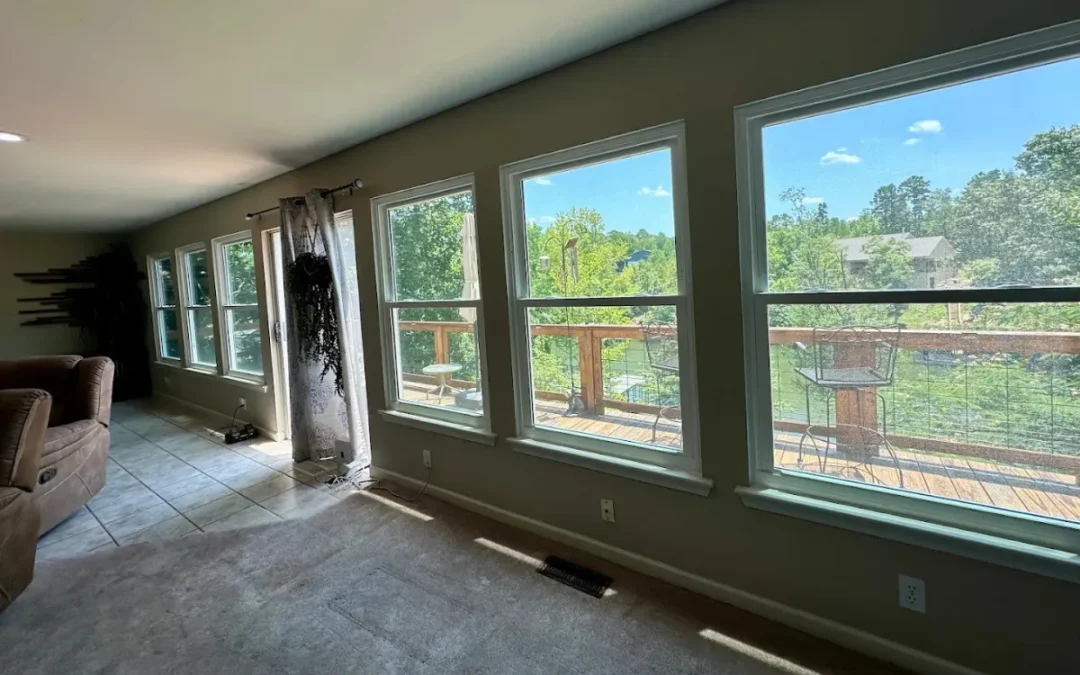
In places like Arkansas and Georgia, the constant change in humidity causes something called “solar pumping.” During the day, the sun heats up the air inside your double-pane windows, causing them to expand. At night, they cool down and shrink. In our humid climate, this constant movement eventually cracks the seal. Once that happens, wet air gets trapped between the glass panes, leading to permanent moisture damage to home windows.
According to the Environmental Protection Agency (EPA), keeping your indoor humidity between 30 and 50 percent is key to protecting your home’s structure and your family’s health.
The “Attic Sauna” and Your Roof
Your roof isn’t just there to stop the rain. It’s a complex system that has to breathe. When the humidity is high, your attic can turn into a sauna if it isn’t ventilated properly.
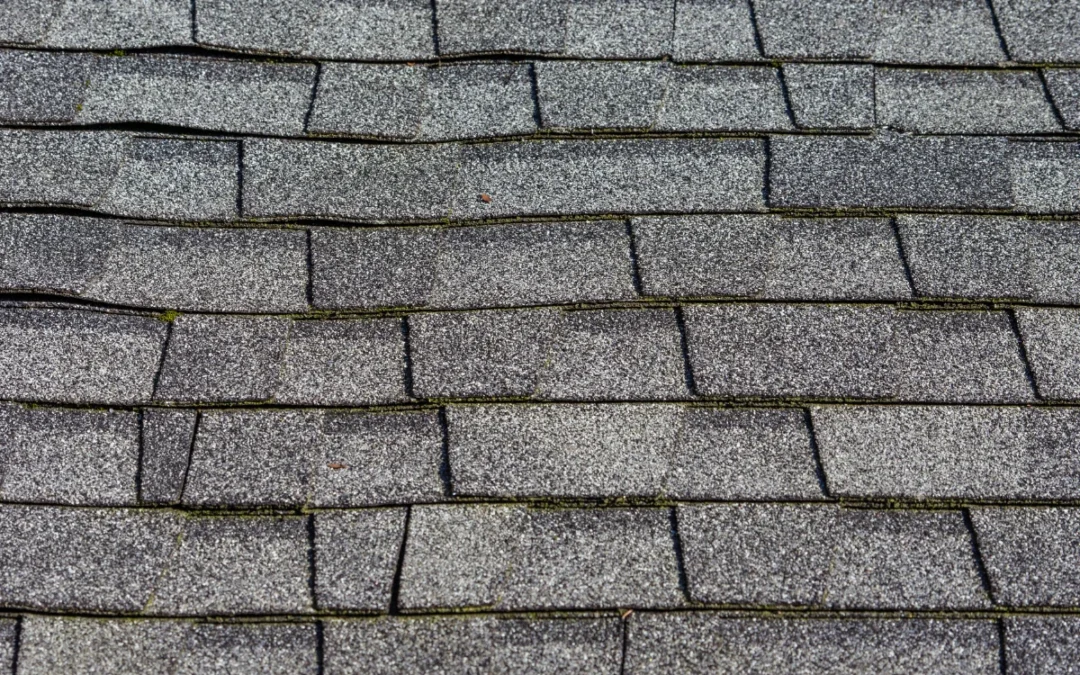
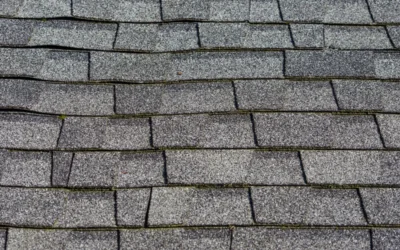
Trapped moisture in your attic can cause the wooden beams and decking of your roof to swell, warp, or even rot. This weakens the whole structure. Even worse, it can cause your shingles to “blister” or curl, which means they won’t last nearly as long as they should. If you see dark streaks or green patches of algae on your shingles, that is a clear warning of moisture damage to home roofing.
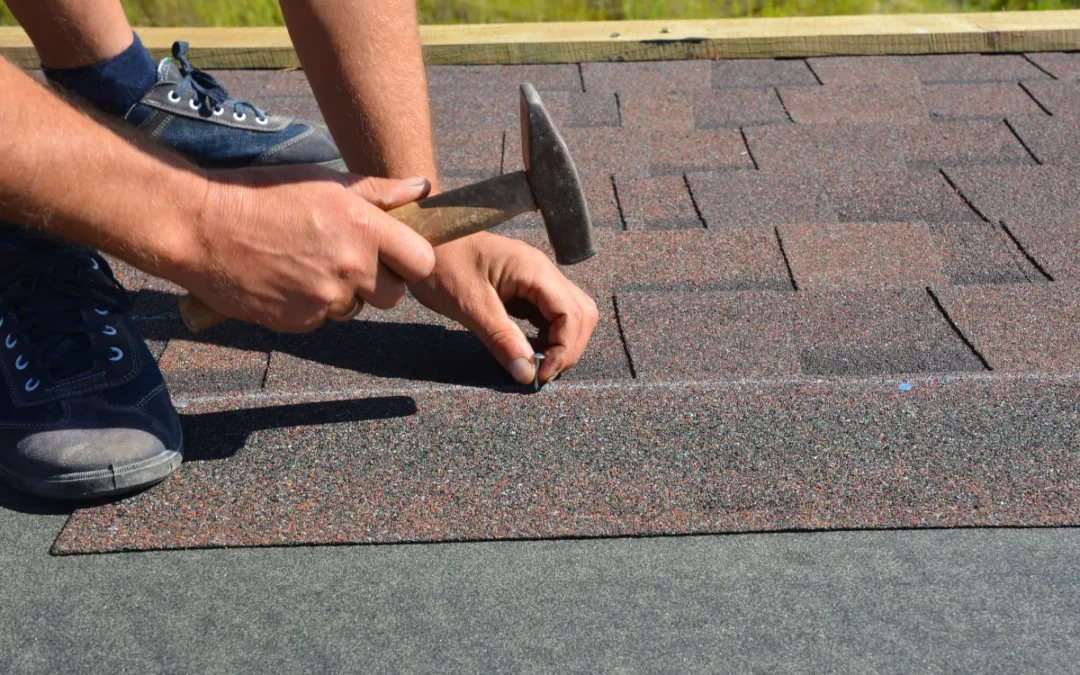
Because your roof and windows work together to keep moisture out, we recommend checking both regularly. If your roof is showing signs of age, a WinChoice roofing replacement can ensure your attic stays dry and your home stays protected from the top down.
Signs You Are Facing Moisture Damage to Home
Since you can’t always see the problem right away, you have to look for the “fingerprints” it leaves behind. Keep an eye out for these red flags:
- Foggy Glass: Condensation trapped inside the window panes.
- Peeling Paint: Bubbling or chipped paint around window frames or near the ceiling.
- Musty Smells: A “basement” smell in your attic or upper-floor rooms.
- Curled Shingles: Shingles that look like they are lifting or “cupping” at the edges.
See how WinChoice windows stand up to Southern humidity
Protecting Your Investment
The best way to fight humidity is with a “whole-home” approach. This means making sure your roof has enough vents to let moisture escape and replacing old, leaky windows with modern units that have high-quality seals.
At WinChoice, we build our windows specifically to handle the demands of the Southern climate. Our vinyl frames don’t rot like wood, and our spacer technology helps keep your glass clear and efficient for a lifetime.
Learn about the protection of a WinChoice Limited Lifetime Warranty
Frequently Asked Questions
Can I fix a foggy window without replacing it?
Usually, no. Once moisture gets between the panes, the seal is broken and the insulating gas is gone. The only real fix to restore your energy efficiency and view is to replace the glass unit or the whole window.
Does humidity really cause roof rot?
Yes. If your attic doesn’t have proper airflow, humidity builds up and soaks into the wooden decking. Over time, this leads to rot, mold, and a roof that is unsafe.
Will a dehumidifier save my windows?
It can help! Reducing indoor humidity lowers the stress on your window seals and prevents mold from growing on your frames, but it won’t fix a seal that is already broken.
How do I know if my attic has bad ventilation?
If your attic feels significantly hotter than the outside air in the summer, or if you see frost or moisture on the underside of your roof in the winter, your ventilation likely needs an upgrade.
Are vinyl windows better for humid areas?
Yes. Vinyl doesn’t absorb moisture, so it won’t rot, swell, or peel like traditional wood frames often do in the South.